Control slopes, prevent erosion, and add functional outdoor living space with professional retaining walls.
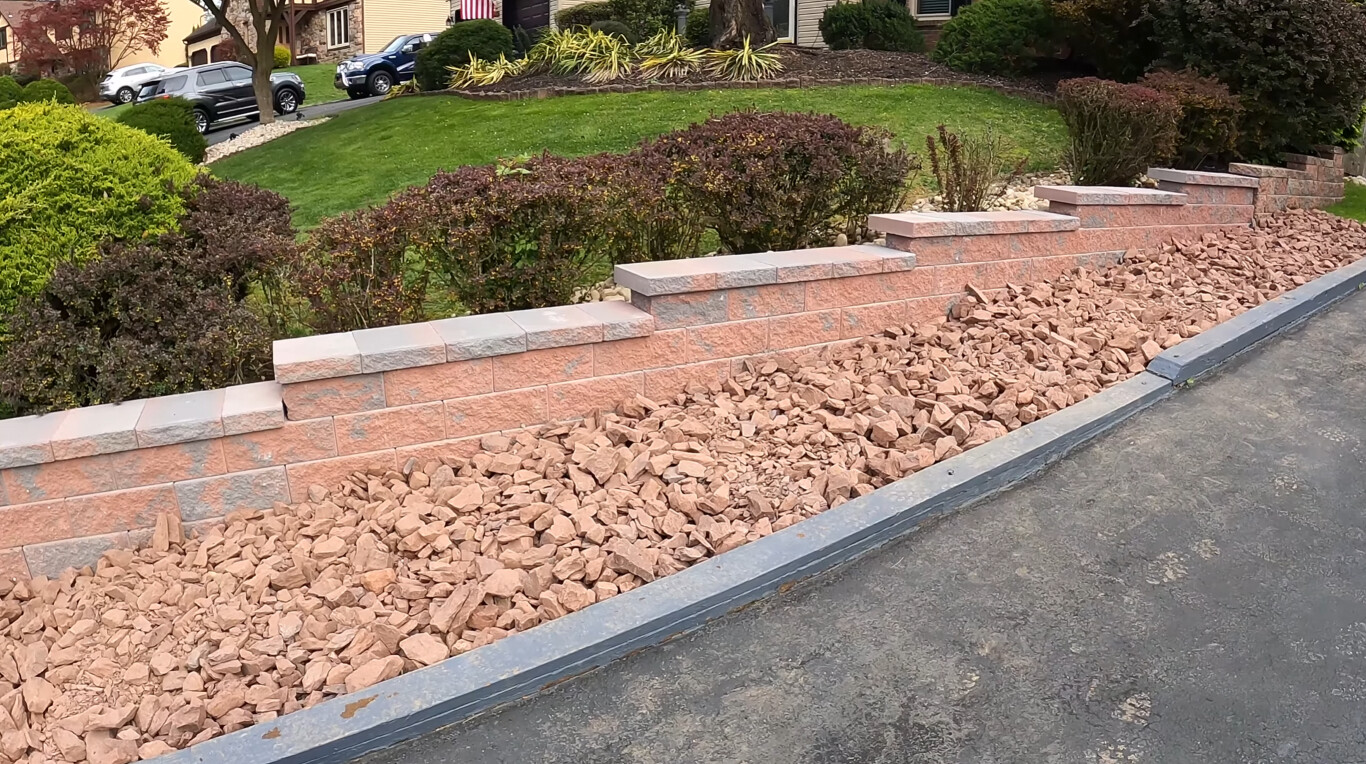
If your property has slopes or elevation changes, a retaining wall solves real problems. It holds back soil, prevents erosion, stops water from washing away your yard, and creates usable flat space where there was only a hill before.
At GG Gary Concrete Works, we build retaining walls that handle the pressure, drain properly, and last for decades. A poorly built wall will lean, crack, or even collapse. We engineer and construct walls correctly so you never have to worry about failure.
These use interlocking concrete blocks designed specifically for retaining walls. They're strong, relatively quick to install, and come in various styles and colors. Block walls work well for most residential applications up to 4-6 feet high.
For taller walls or heavy-duty applications, poured concrete provides maximum strength. We build forms, add reinforcement, and pour solid concrete walls. These are the strongest option and ideal for commercial properties or severe slopes.
Want a more natural or upscale look? We build walls with natural stone, brick, or decorative masonry units. These add significant curb appeal while providing the structural support you need.
For very steep slopes, we build multiple shorter walls in tiers. This approach is often more stable and cost-effective than one tall wall. It also creates terraced planting areas that look great.
The key to a lasting retaining wall is managing water and building a solid foundation. Here's what we do:
Water pressure behind a retaining wall is enormous. Without proper drainage, even a well-built wall will eventually fail. We never skip drainage because it's not optional, it's essential.
Retaining walls solve many landscape challenges:
Create level yard space: Turn a sloped yard into usable flat areas for patios, lawns, or gardens.
Prevent erosion: Stop soil from washing away during heavy rain, protecting your property and landscaping.
Build up around driveways: Support driveways on slopes and prevent soil from sliding onto the pavement.
Improve property appearance: Well-designed retaining walls add visual interest, define spaces, and increase curb appeal and property value.